Special Issue - Science communication: Making research accessible - Science week for all: Expanding the spirit of the long night of science

In a world where discoveries stay hidden behind lab doors, imagine a global science week for all, where labs welcome communities, students meet scientists across borders, and big ideas break free from notebooks. Science isn’t locked away; it’s celebrated by everyone. A movement to bring science closer to people, where knowledge truly belongs to all.
Science that serves society
As a young scientist at the 74th Lindau Nobel Laureate Meeting in Chemistry in 2025, I will vividly remember this first personal encounter with Nobel Laureates. At that moment, one of them said to us, “Tell your story – let science come out of the lab and reach the people.” Those words stayed with me. They reminded me that the real strength of science lies not only in experiments, but in its power to connect with people, empower communities, and solve real- world problems. Sharing the story behind an innovation is not only outreach; it is a scientific responsibility.
Science communication is often referred to as the bridge between research and society. But for this bridge to hold strong, it must rest on visibility, inclusivity, and public trust. Across the world, researchers work hard to tackle pressing challenges from clean water and renewable energy to health and climate action. Yet their stories rarely reach ordinary people. In an age when misinformation spreads faster than facts, Germany’s Long Night of Science is a powerful example. For one night a year, universities and research centres open their doors to the public. Families, students and curious citizens walk through laboratories, speak directly with scientists, and see firsthand how curiosity becomes innovation. But this idea remains mostly local. Why should the celebration of knowledge be limited to one night or one continent?
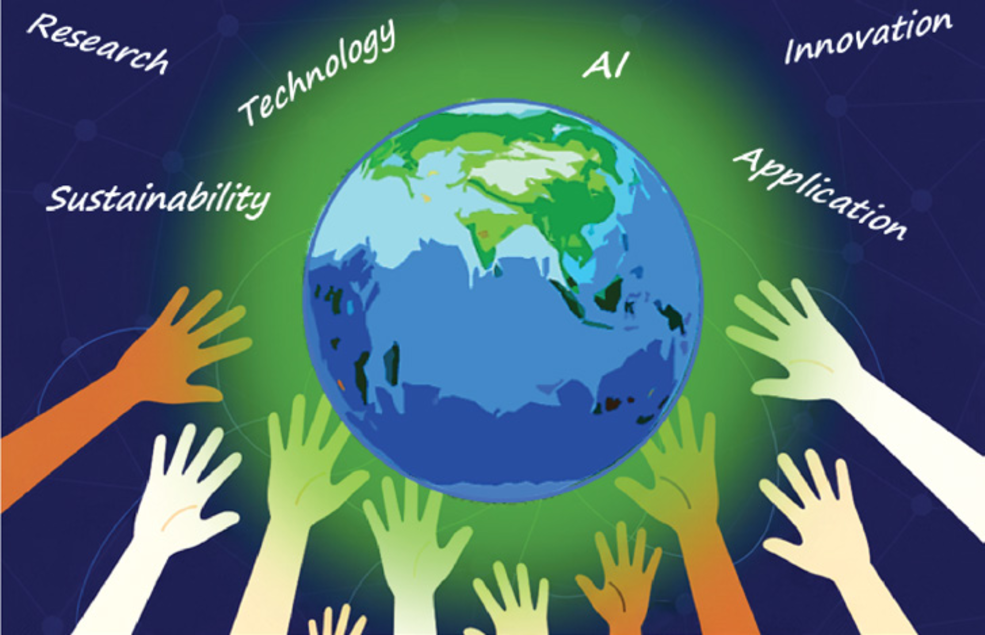
The European Researchers’ Night, supported by the MSCA under Horizon Europe and local partners, takes this concept further. It is a pan- European initiative, with events in over 25 countries and 460 cities. Activities occur on flexible dates, bringing research into parks, libraries, schools, and prisons. Pre-events and outreach activities run throughout the year, preparing communities for the Night and fostering meaningful dialogue between scientists and citizens.
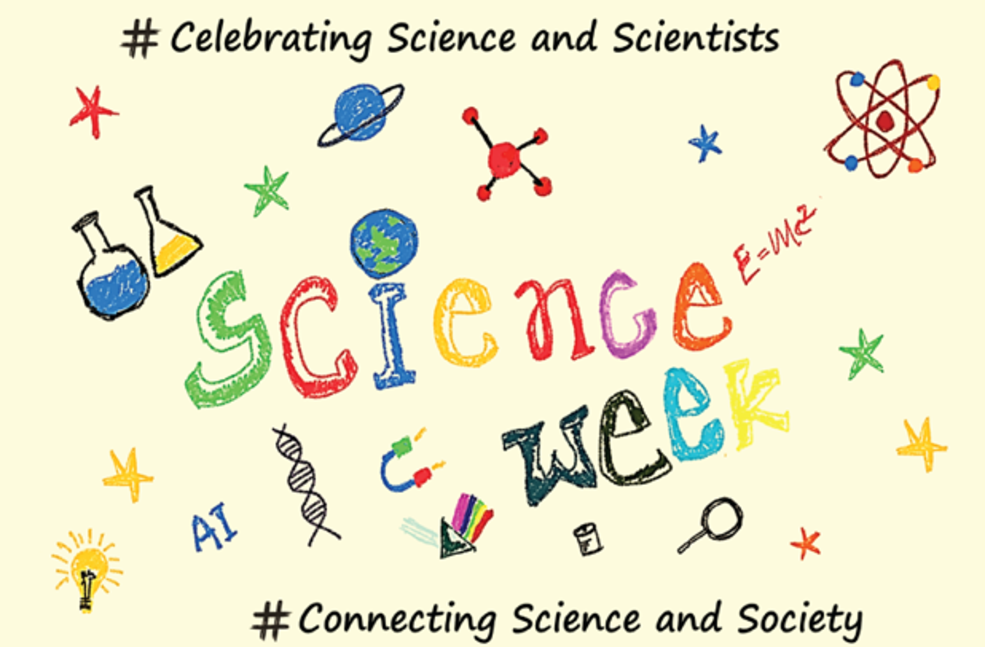
Now, it is time to imagine a global science week for all, a movement that brings this spirit to the world, across languages, disciplines and borders. Its purpose would be more than showcasing research; it would reaffirm the value of science itself at a time when scepticism, underfunding and political polarisation threaten its progress.
Standing for scientists and celebrating science
All over the world, many scientists work with limited money, delayed funding, and uncertain careers. In some countries, budget cuts may slow down important research. In many developing countries, the situation is even tougher; labs have little support, old equipment, and fewer opportunities.
Even with these struggles, we still rely on science to solve big problems like climate change, protecting nature, finding new medicines, and creating clean energy. The COVID-19 pandemic showed how quickly science can save lives when researchers work together, developing vaccines and treatments in record time. That is why it is important to support and celebrate all scientists, not just Nobel Prize winners, but also young researchers, teachers, and technicians who keep science alive and moving forward.
From inspiration to policy
Celebrations alone cannot create lasting change, but they can start important conversations. A citizen-driven science week could encourage governments and institutions to provide steady research funding, fair opportunities, and proper recognition for scientists. It could also promote open access, ethical research, and inclusion of underrepresented voices in science. Popular activities include urban biodiversity surveys in London, UK, where citizens map local flora and fauna, and astronomy nights in Rome, Italy, bringing communities together under the stars to engage with researchers.
In Europe, science is celebrated everywhere, even in street names. In Germany, you can walk down Einsteinstrasse or Planckstrasse; France honours Rue Pasteur and Rue Curie; Italy celebrates Via Galileo Galilei; and Poland proudly marks ul. Kopernika. These streets are a quiet reminder that knowledge shapes nations.
Beyond events: Communication as inclusion
A week-long science celebration should be more than press releases or exhibitions. It should mix art, storytelling, and technology to make science easy to understand and exciting. Imagine students connecting with researchers across continents, or local communities hosting science activities in their own language, showing how research touches everyday life.
Digital tools could bring experiments to life; live streams, podcasts, and interactive apps, letting people explore environmental monitoring in real time. The goal isn’t just for scientists to talk, but also for them to listen. Science grows when it is seen, supported, and celebrated. Let’s open the doors and make science a shared, living experience for everyone!
Swayam Prakash
Federal Institute for Materials Research and Testing (Bundesanstalt für Materialforschung und -prüfung, BAM), Germany